October 6, 2026 · 7 min read · Match Point KC
October is National Coach Appreciation Month, and USTA Heart of America marked it by spotlighting Will Gross, director and tennis coach at Match Point KC. Ask Will what makes a good tennis coach and you get an answer most clubs would never put in writing: “we hire good people over good resumes.”
A good tennis coach is a good person first: someone with the character, energy and patience to treat every player well, from a nervous beginner to a ranked junior. Credentials and playing experience matter, but they come second. The best coaches judge their work by whether players keep loving the game, and treat trophies as a bonus.
It sounds like a slogan. It is actually a very practical filter, and it is the one we would hand any parent or adult player who is about to trust a stranger with their tennis. Below is what Will told USTA, what it looks like on a real court, and a checklist you can take to any lesson, ours or anyone else's.
Who is Will Gross?
Will grew up at School of the Osage, which he describes as “smack dab in the middle of Missouri.” His sport was soccer. The school had no soccer team. It did have tennis, so at thirteen he picked up a racquet on, of all places, a basketball court.
It stuck! He went on to play USTA tournaments across the Missouri Valley and earned a scholarship to the men's tennis team at William Jewell College, which is what brought him to Kansas City. He credits a run of great coaches along the way, naming Jason Kane, Chris Claypool and Tim Garner.
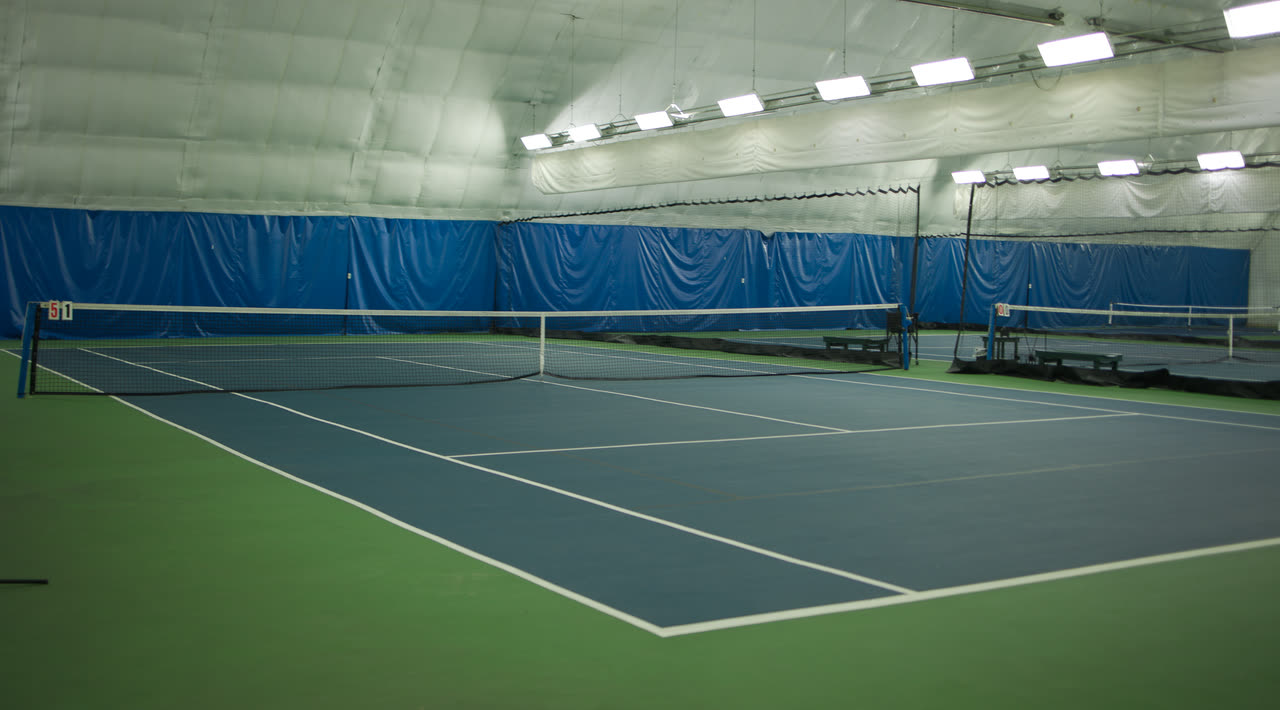
After college he taught part time. Then, in his words, “I kind of fell into doing it full time.” For the past two years he has led tennis programming at Match Point KC, coaching both juniors and adults on our indoor courts in Blue Springs.

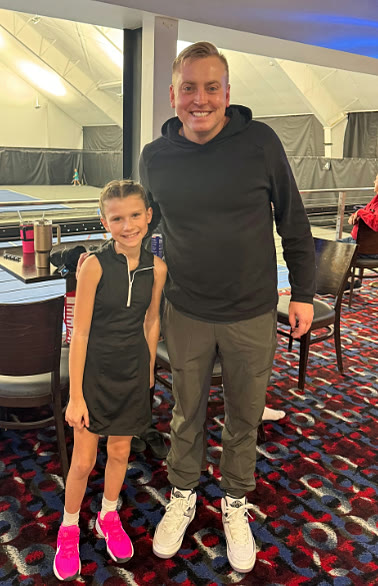
What makes a good tennis coach? Start with the person
Will's answer to USTA was direct. Coaching experience and credentials are important, he said, “but character, energy and how you treat people go a long way.” Most guides to choosing a coach open with certifications. This one opens with the person, because the person is what you actually experience for an hour every week.
Character
Character shows up in small moments. Does the coach tell a player the truth about a shot without making them feel small? Do they stay patient on the fifth identical mistake? Do they say the same thing to a parent that they said to the child? A coach can know everything about the kick serve and still fail this test, and the player will feel it long before anyone else notices.
Energy
Energy is easier to see. Watch the last ten minutes of a lesson. If they look like the first ten, with players moving, balls flying and the coach still talking, you are watching someone who wants to be there. If the coach is checking the clock while players stand in line, the hour is being endured, not coached.
How they treat people
This is the giveaway. Look at how a coach treats the least skilled player in the group, and how they talk to the parent waiting in the lounge. Good coaches spread their attention evenly. They learn names fast. They tell you afterwards what was worked on, not just who won.
Then credentials
Credentials still matter, and one of them is not optional. Anyone coaching juniors should be USTA Safe Play approved, which means SafeSport training every year, signing off on the Safe Play policy, and a background screen every two years. Every coach at Match Point KC is Safe Play approved. Beyond that, look for real playing experience and a coach who keeps investing in their own coaching. Will, for one, is a USTA Coaching member.
Good junior coaches play the long game
Will told USTA he used to say his specialty was adults, and that the club's owners would probably laugh at the question. Today he would say juniors. It is a nice reminder that a coaching environment shapes the coach as much as the coach shapes it.
The range he works with is wide. Our juniors run from recreational players to nationally ranked ones, including some of the top-ranked players in their age brackets in Kansas City. And yet the part he enjoys most is not the results. He loves watching juniors develop, knowing they are building a sport they can play for the rest of their lives. “The accolades, rankings and tournament results are really just a bonus.”
That is the instinct to look for in any junior coach. A coach chasing a ranking will push a ten year old too hard, too early. A coach chasing a lifelong player builds the fundamentals first and lets the results arrive on their own schedule. For the stage by stage version, read our guide to raising a competitive junior tennis player, or see how the levels work on our junior programs page.
Good adult coaches make it the best hour of your week
Adults need something different. Most are not chasing a ranking. They are chasing a game, a group, and an hour where work does not exist.
Will put it well. He loves watching adults “leave the stresses of everyday life at the door and just have fun playing tennis.” Our adult side runs programming, leagues and teams, and he describes it as a smaller, tight-knit group that keeps growing. He also had a warning for anyone thinking of taking them on: “don't mess with the ladies and their tennis.”
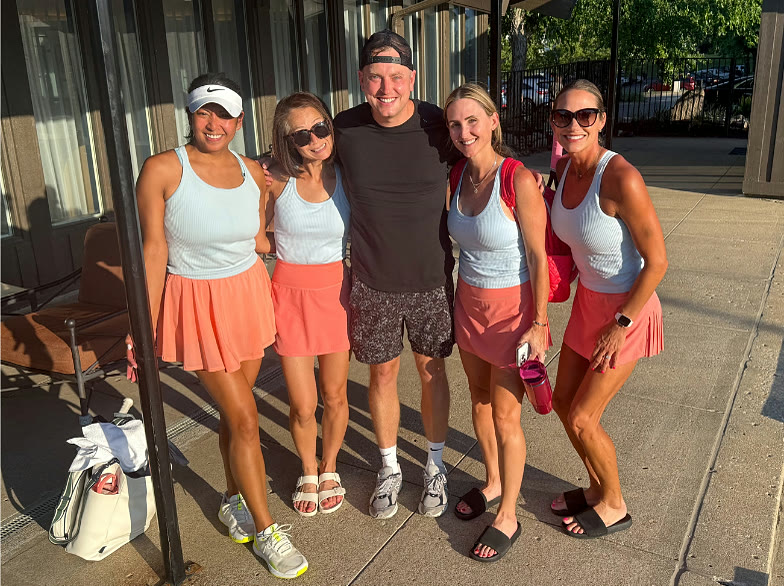
For an adult, a good coach fixes the two or three things holding your game back without turning the hour into homework. Then they point you at the right group, so you have people to play with on the nights you are not in a lesson. That is what our lessons and leagues are built around.
Why part-time coaches are often the most motivated ones
Here is something the usual coaching guides never mention. Most of the coaches at Match Point KC are part time, and Will says the club likes that model. His reasoning is simple: a coach who steps away from their main job to do something they genuinely enjoy tends to walk in motivated.
For a player, that means the person across the net chose to be there. For a strong player wondering whether to try coaching, Will's advice to USTA was even simpler. Why do it? “It's fun.” Go for it, he said, even part time. If that is you, USTA Coaching is the place to start.
How to tell if a tennis coach is right for you
The best test costs nothing: watch one session before you commit to a block of lessons. Take this checklist with you and tick only what you actually see. It works for any coach at any club, including ours.
Watch one session. Tick what you saw.
0 of 10 ticked
Key takeaways
- Person first. Character, energy and how a coach treats people decide most of what you get from a lesson.
- Credentials second, but non-negotiable for kids. Anyone coaching juniors should be USTA Safe Play approved.
- Juniors need a long game. Rankings are a bonus. A sport they keep for life is the goal.
- Adults need an escape. A good coach makes it fun and connects you to people to play with.
- Watch before you commit. One session tells you more than any resume.
Thank you, Will, and thank you to every coach on our courts this Coach Appreciation Month. If you want to meet them, tell us who is playing and we will point you at the right coach, the right group and the right court. You can read the full USTA feature on Will too.
Questions people ask
- What makes a good tennis coach?
- Character, energy and how they treat people come first, then credentials and playing experience. A good coach is patient, honest about your game, keeps every player moving and engaged, and judges success by whether you keep improving and keep enjoying the sport.
- What qualifications should a tennis coach have?
- Anyone coaching juniors should be USTA Safe Play approved, which covers SafeSport training, the Safe Play policy and a background screen. Beyond that, look for serious playing experience and ongoing coach education, such as a USTA Coaching membership.
- How do I know if my tennis coach is good?
- Watch a session. A good coach knows every player's name, keeps players hitting rather than waiting in line, corrects mistakes with encouragement, and tells you afterwards what was worked on. If you are improving and still looking forward to the next lesson, the coach is doing the job.
- Are part-time tennis coaches any good?
- Often, yes. Plenty of strong coaches teach part time alongside another job, and they tend to arrive motivated because coaching is something they chose to do. Judge the person on court, not their schedule.
- Who leads tennis at Match Point KC?
- Will Gross, the club's director and tennis coach. He is a USTA Coaching member who played college tennis at William Jewell College, has led tennis programming in Blue Springs for two years, and coaches juniors and adults. USTA Heart of America featured him in October 2026.
- Are the coaches at Match Point KC background checked?
- Yes. Every coach is USTA Safe Play approved, which includes SafeSport training and a criminal background screen. Call (816) 224-7999 if you want to talk to one before enrolling.